|
Hours: |
11am - 11pm EST 1pm-11pm Sat |
| Cell: |
919-614-4297 Cell |
|
eMail: |
Above is to send in orders and Q&A.
Below is My Paypal address |

Thank you for visiting Siebert Optics!
Serving Large Observatories and the
Amateur Astronomy Community alike.
200 Short Johnson Road
Clayton, NC
USA 27520
_______________________________
Products:


Eyepieces .965" / 1.25" / 2.0" / 2.7" / 3.0" / 4.0" / 4.3"
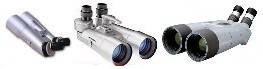
Large and Small Binocular Cleaning and Alignment services $99 Call or Email for details.
BT70 RA88 / Miyauchi / Kowa eyepieces

(Specialized Binoviewer services you can't get anywhere else)


Advanced Barlow Lenses including: Modular and 4 element Telecentric magnification multipliers


1.25" and 2" Advanced Binoviewers From $649-$1999


Binoviewer OCA's and Accessories
Adapters - Meade Scopes and ETX


Large and Small Non Illuminated and Illuminated Cross haired eyepieces.
Astrographs/Telescopes


Special binoviewer services and products you cant get anywhere else
Also can > Click here. And here.
ICP's Image Correction Prisms for Newts


Ladies Corner
Non-Astronomy Items
2" up to 4.3" Observatory Series
Siebert Optics eyepieces advanced optical designs below.
See our UT Monocentrics and Planesphere eyepiece line. Click here
Observatory 2" eyepieces. Click here.

Elite 2.5"/2.7"/3"/4"/4.3"eyepieces. Click here and here.
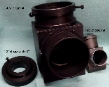
Diagonals: 2.5"/2.7"/3"/4"/4.3" and Hybrids. Click here
Telecentric Barlows: 2.5"/2.7"/ 3" 1.5x - 2.5x Click Here




|
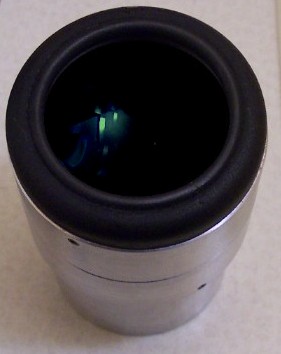
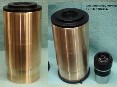
Easy forcus for binoviewers and Binoscopes. 2" has a 72 deg. FOV and 20mm's eye relief. Compact in size(56mm dia) .9oz No "Blacking out" 2" is $399 (Ob235mm) Brass add $70*
35mm Pan vs. Siebert Observatory 35mm. Both are sharp to the edge in fast scopes but the OB wins on pin cushioning and it also has eye relief that people with eye glasses will appreciate. >>>>>>>>>>>>>>>> |
All Observatory. eyepieces are under 9 oz. Were did the Observatory Series eyepieces come from. Click here Large optics reduce apparent vignetting.
Click on picture to enlarge. Here is the eyepiece comparisons page.
|
|
|
|
|
This line has many professional and amateur applications See complete list below. Click on pictures below.
4" 40mm - 100mm
4.3" 40mm - 100mm ------------------------------- 2.5" 40-70mm $899 (Brass) add $199* . For Istar and like F10-F15 . All have 25mm E.R. The 2.5" 40mm 75 deg FOV The 2.5" 42mm 75 deg FOV The 2.5" 50mm 70 deg FOV The 2.5" 55mm 63 deg FOV The 2.5" 60mm 57 deg FOV The 2.5" 65mm 53 deg FOV The 2.5" 70mm 50 deg FOV 2.5 lb
------------------------------- 2.7" 40 -70mm $899 (Brass) add $299* . All have 25mm E.R. The 2.7" 40mm 75 deg FOV The 2.7" 42mm 75 deg FOV The 2.7" 50mm 70 deg FOV The 2.7" 55mm 65 deg FOV The 2.7" 60mm 63 deg FOV The 2.7" 65mm 58 deg FOV The 2.7" 70mm 54 deg FOV 3.1lb ---------------------------------- 3" 40 -70mm $999 (Brass) add $299* All have 25mm E.R. The 3" 40mm 75 deg FOV The 3" 42mm 75 deg FOV The 3" 50mm 70 deg FOV The 3" 55mm 70 deg FOV The 3" 60mm 65 deg FOV The 3" 65mm 63 deg FOV The 3" 70mm 58 deg FOV The 3" 75mm 55 deg FOV The 3" 80mm 50 deg FOV 4.0 pounds ---------------------------------- 4" 40-100mm $1499 (Brass) add $499* 4.3" 40-100mm $1499 (Brass) add $499* All have 25mm E.R. If your scope has to carefully manage focus in-travel please give me details on the limitations of your scopes focus. All have a No F.S. 40mm AFOV 75deg 42mm AFOV 75deg 50mm AFOV 70deg 55mm AFOV 70deg 60mm AFOV 70deg 65mm AFOV 65deg 70mm AFOV 65deg 75mm AFOV 60deg 80mm AFOV 60deg 85mm AFOV 57deg 90mm AFOV 55deg 95mm AFOV 52deg 100mm AFOV 50deg
|
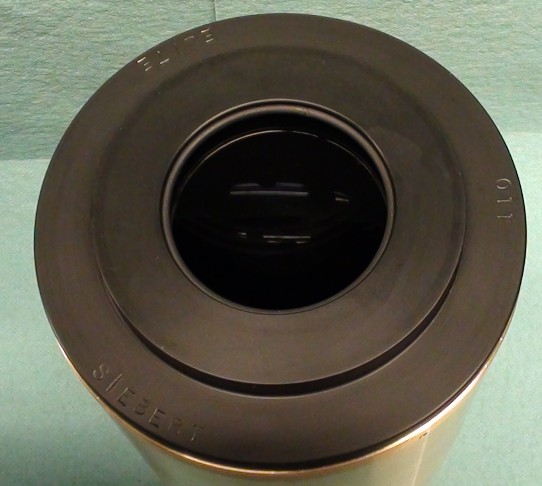
Observatory Elite 50mm - 110mm sizes 2.5" - 4.3" eyepieces are 6 element.
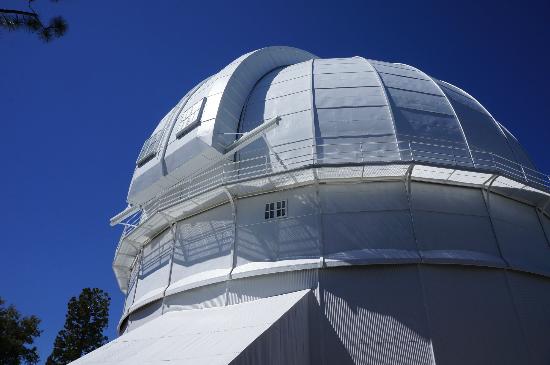
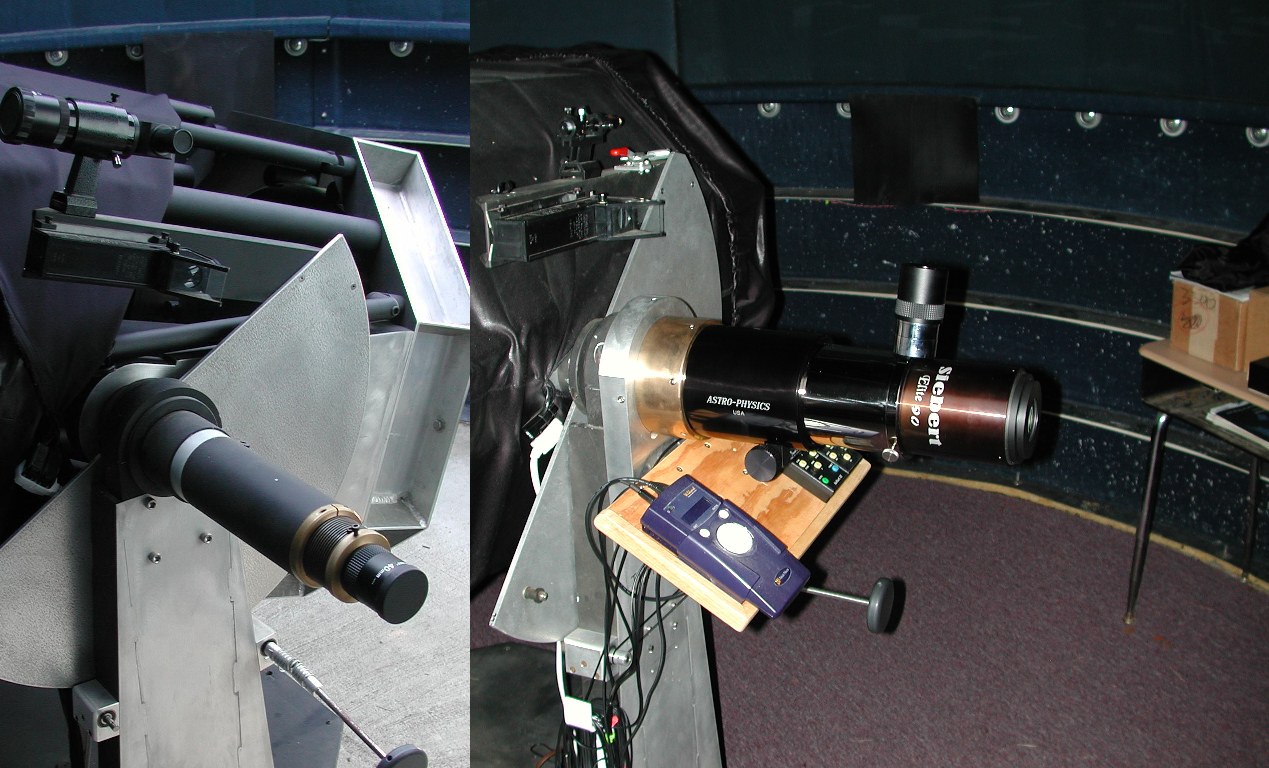
. For large diagonals click here. This 80mm 4" eyepiece was sent to the Mount Wilson observatory in 2007 for use in their 60" Cas See it in use in link below. E.P. info here. All pictures used are with the permission of owner. http://www.icstars.com/HTML/Events/MtWilson60/index.html Click pictures below.
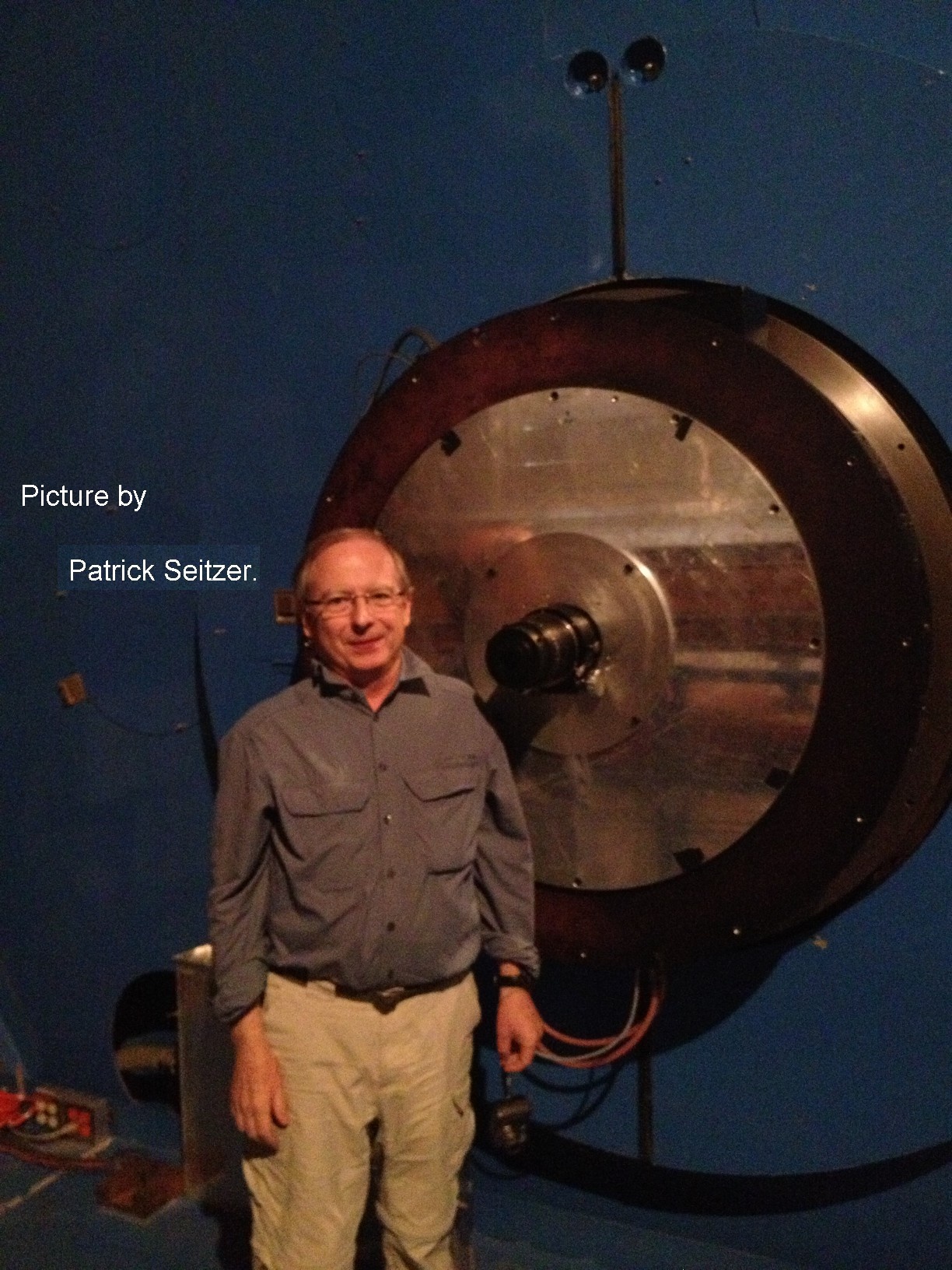
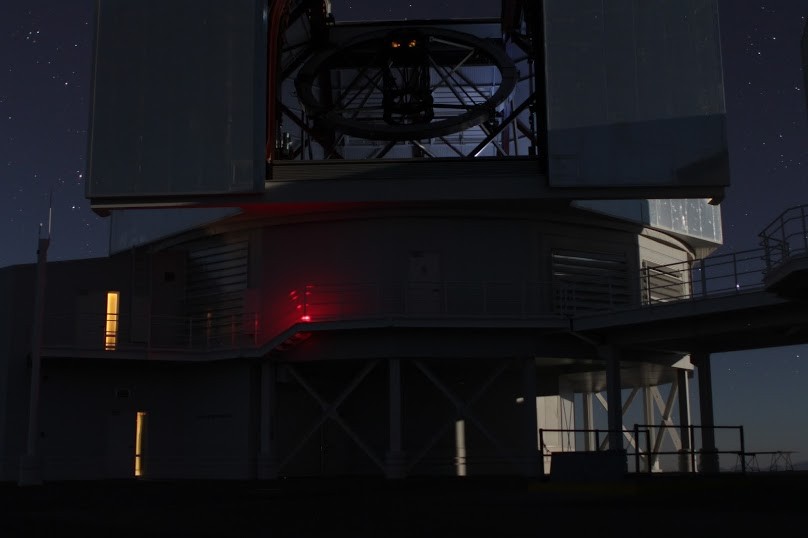
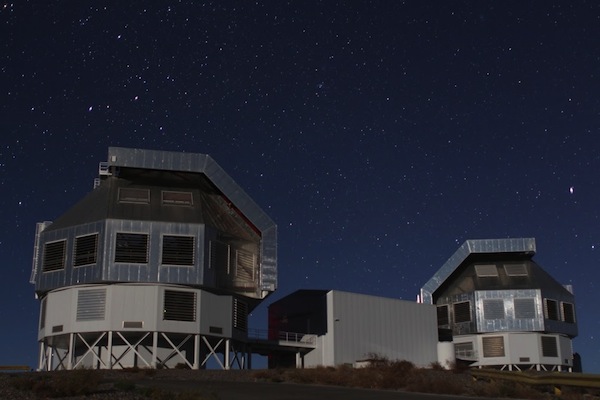
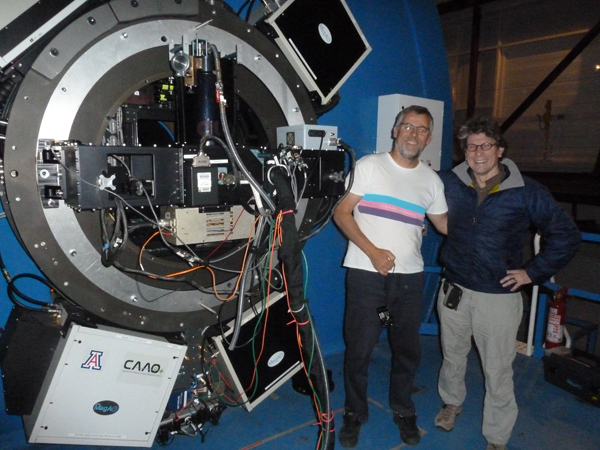
------------------------------------------------------ How about this 70mm 4.3" 70 deg eyepiece that was sent to the Carnegie Institution of Washington in 2010 for their 6.5 meter or ( 234") Magellan. Link to Observatory below. The Siebert 70mm is in the side of the scope next to Patrick.
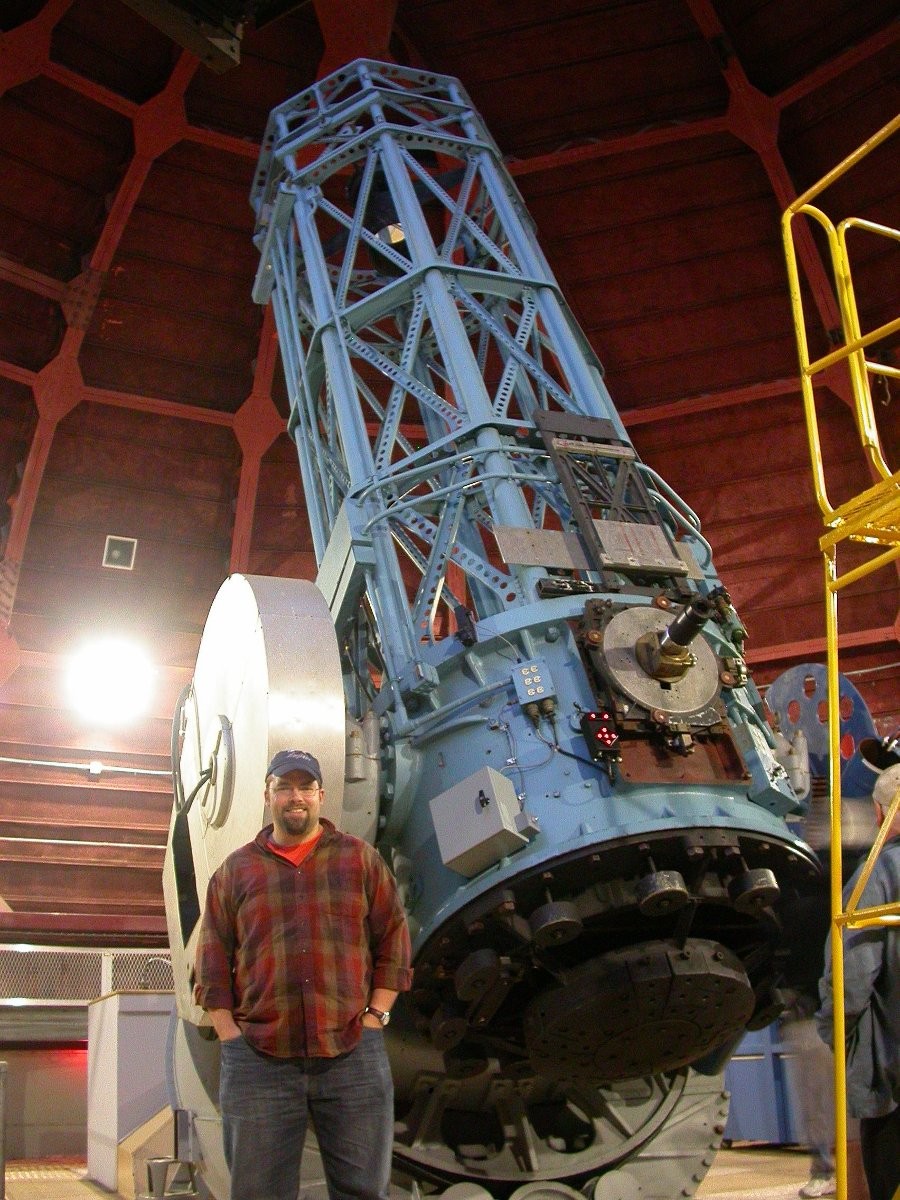
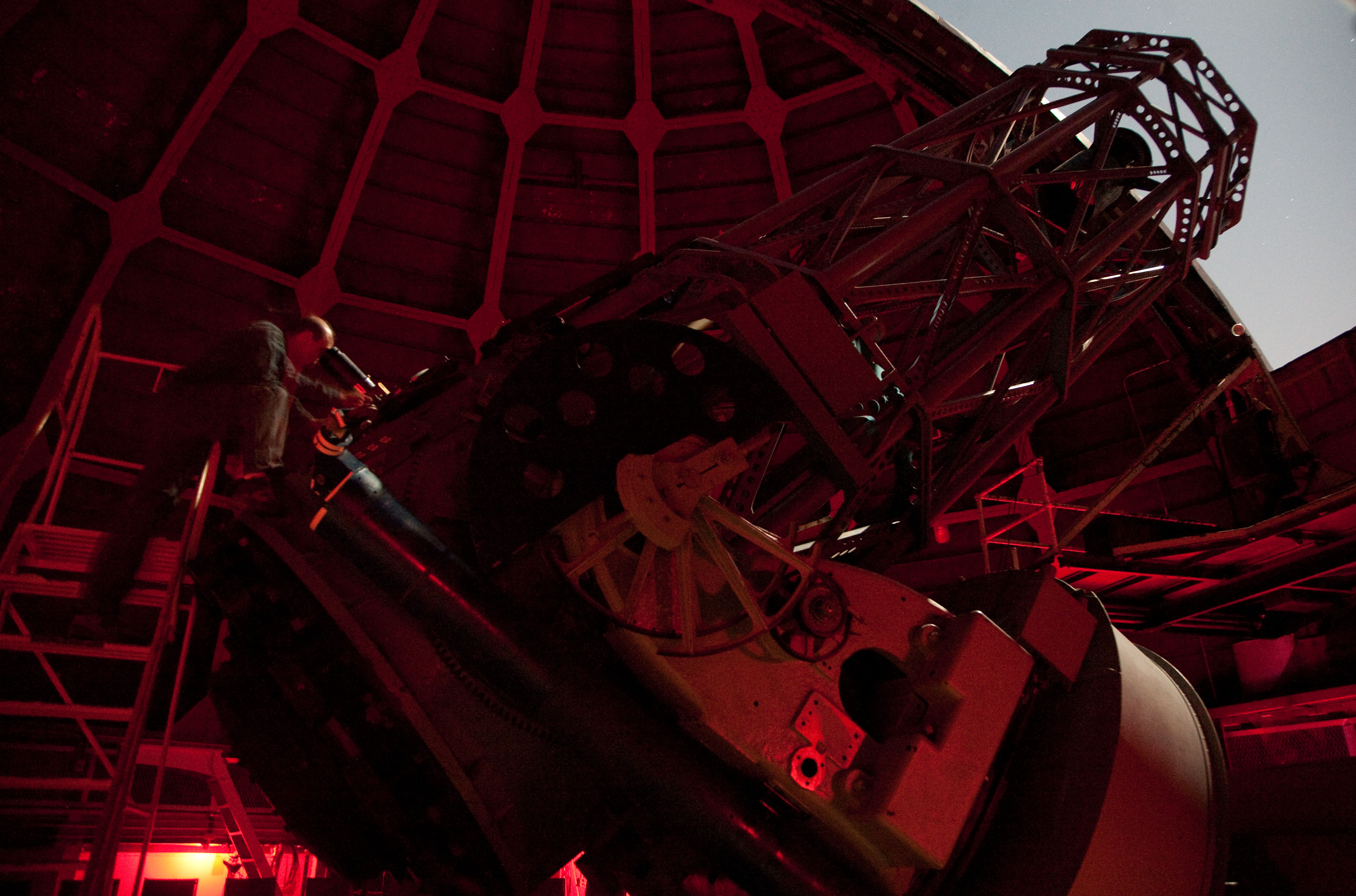
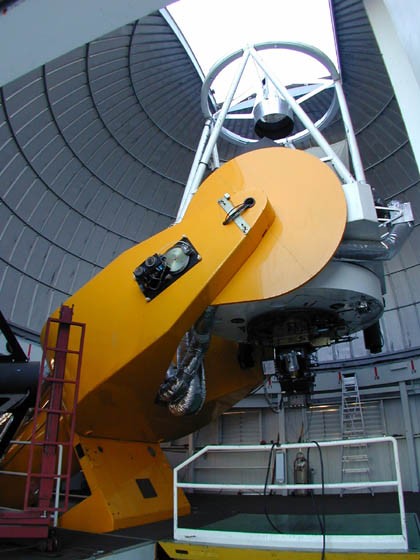
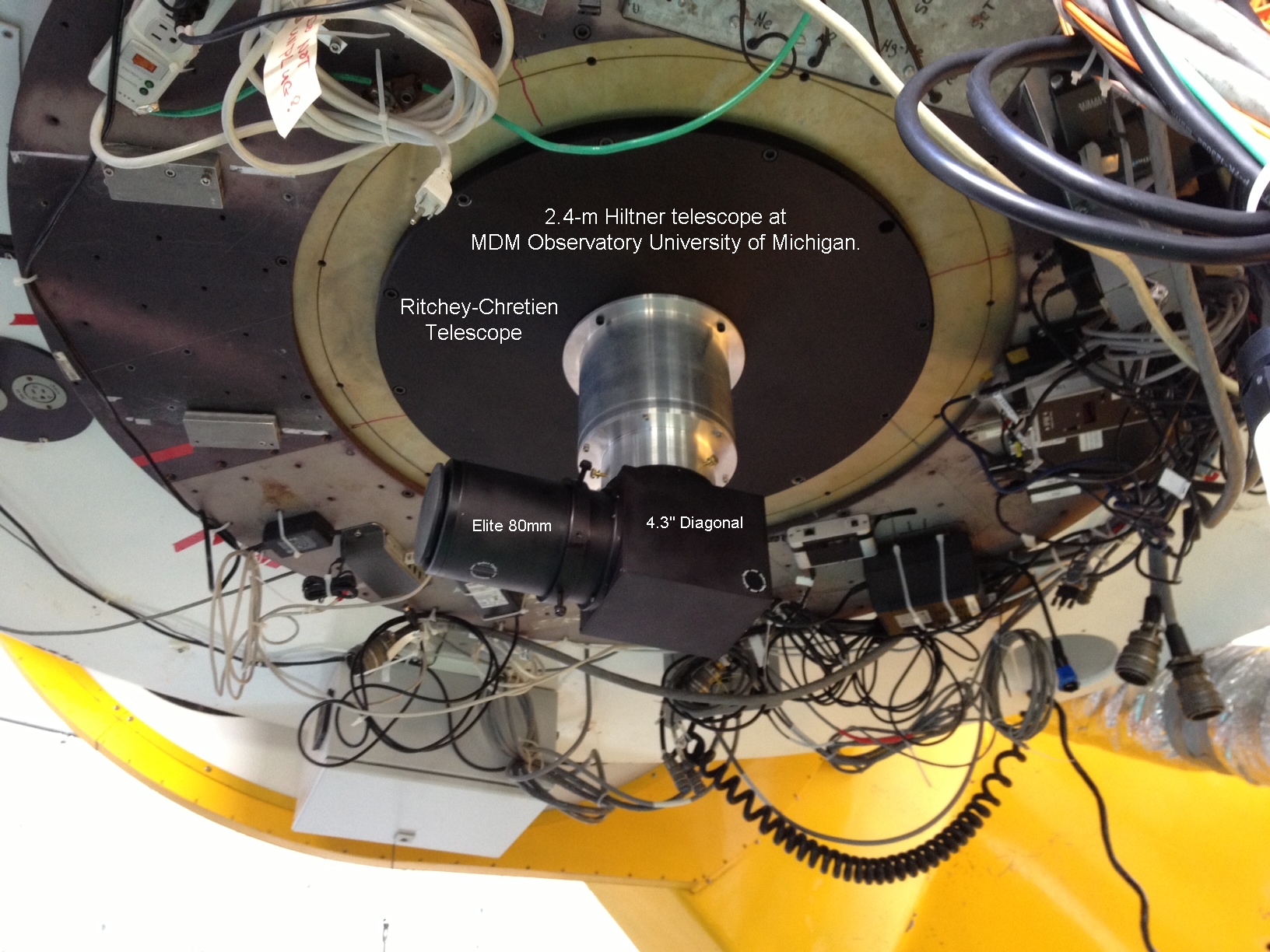
Picture of the Carnegie Institute's Magellan in Chile With Siebertoptics 70mm 4.3" https://www.youtube.com/watch?v=i9dNDGOmmgI Changing the mirror. http://www.flickr.com/photos/santerne/6744925979/in/photosof-santerne/ http://www.flickr.com/photos/27891676@N05/2604664262/ http://www.lco.cl/telescopes-information/magellan/instruments/telescopes-information/magellan/ ================================================== The scope below belongs to the MDM Observatory are now using my 80mm Elite 4.3".and a 4.3" diagonal. Pat Seitzer who is pictured above viewing through the Magellan purchased the 80mm and 4.3" diagonal in behave of the University of Michigan. The school is a part owner of the scope 2.4-m Hiltner pictured below. Here are a few of his comments.
Looking to obtain an eyepiece and star diagonal
for the 2.4-m Hiltner telescope at MDM Observatory on Kitt Peak. This
is a f/7.5 Ritchey-Chretien scope without a field corrector.
Thanks, Pat
Hi Harry
The 80-mm eyepiece is a smashing
success on the 2.4-m Hiltner telescope at MDM
Observatory. Fantastic views. Photo of it and star
diagonal on tailpiece attached. Great job.Thanks, Pat
The apparent FOV is perfect for M51 - both components
fully visible. Really dynamite
viewing. ---Pat
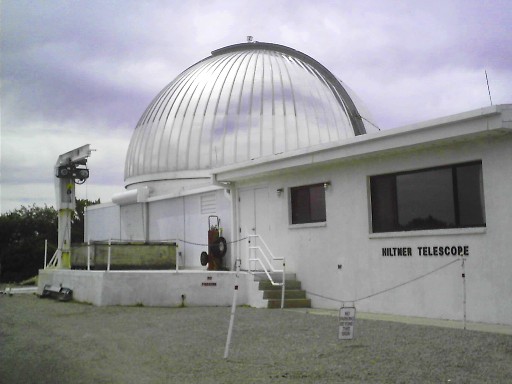
http://mdm.kpno.noao.edu/index/MDM_Observatory.html 2.4 meter Hiltner below.
===================================
The Telescope below belongs to the Yerkes Observatory and are now using my New Integrated Diagonal eyepieces. The Elite 4.3" 55mm 70 deg, 4.3" 120mm 50 deg eyepieces for the 40" - F19 - Alvin and Clark Refractor. It has a Focal Length of 63 foot/19,304 mm. Located in Wisconsin. Dr. Luke Schmidt project scientist sent me comments about the diagonal eyepieces: The eyepieces have been great, the telescope operators say they have really improved the experience during our observing tours, both with the quality of the images and in particular the dramatic improvement in the field of view. The wide field of view and lower magnification helps to reduce the time it takes to find and center an object and objects that were cropped with our previous eyepieces can now be viewed to their full extent. The eye relief makes it easy for even inexperienced observers to view a wide variety of objects.. Here are a few pictures. See below. The image of the Dumb Bell Nebula was taken through the 40" telescope and the 120mm eyepiece with a cell phone. Here is the Yerkes Observatory website. Click here. > Yerkes Observatory.
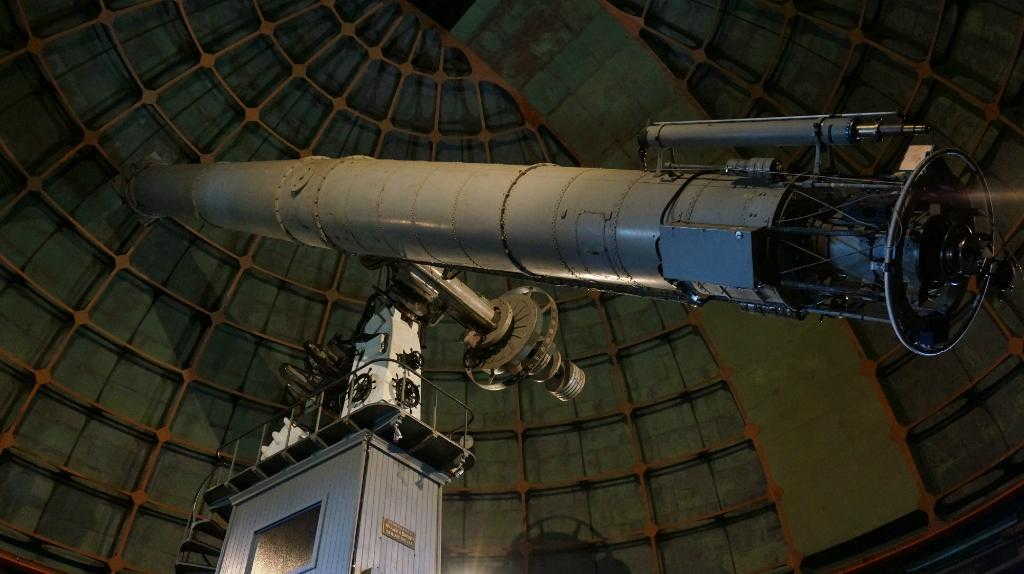
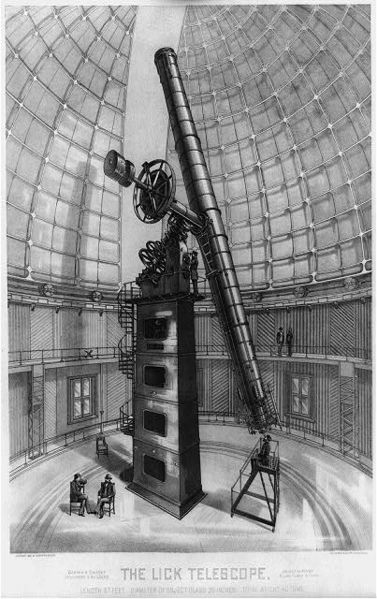
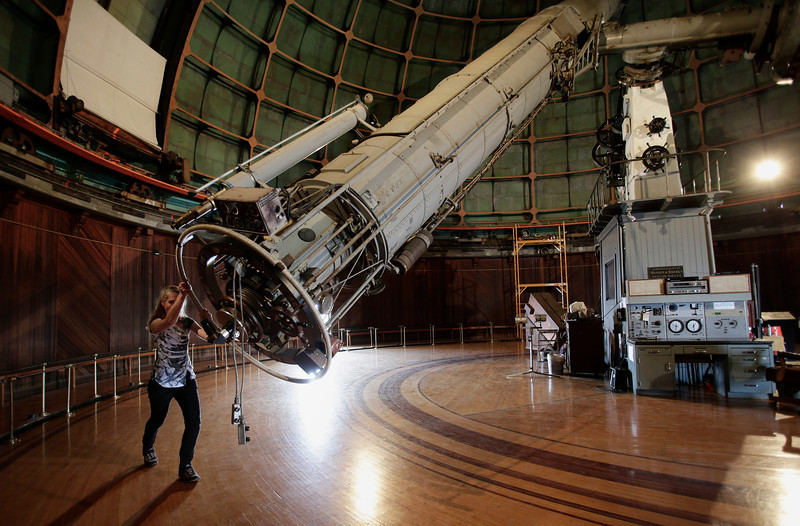
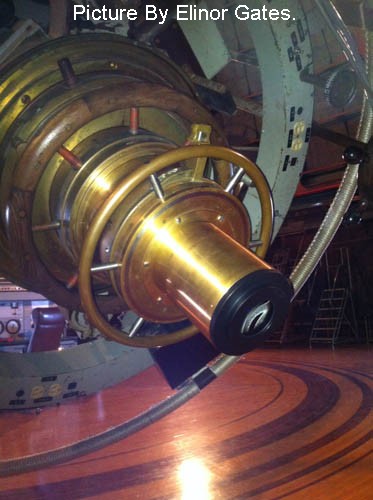
=================================== How about this 110mm 4.3" 55 deg 10 lb eyepiece that was sent to the University of California for the Lick Observatory in 2013 for their 36" 3 story Historic Refractor.
Above is Dr. Elinor Gates Manually pushing the Giant Lick refractor. Comments from the Dr. Gates below..
"Here is a photo of the eyepiece as mounted on
the 36 inch refractor. At some point I hope to get a better photo, but
I think you'll agree the brass eyepiece looks very nice in the
historic brass mount we have. We haven't had much opportunity to use
the eyepiece yet as our summer programs have just started for the
season, but I'm pretty pleased with it so far (though one of our
volunteers thinks the eye relief is less than 25 mm, but I haven't
measured it, so don't know if he is complaining about nothing or
not)".
Link to Observatory below. http://en.wikipedia.org/wiki/Lick_Observatory =======================================
Here
is one of the latest US Observatories to purchase one of the
SiebertOptics Elite series eyepieces.
The
Lowell Observatory in Flagstaff AZ.
purchased this 70mm SWA 3" for their 8" F12 refractor pictured
below. This beautiful instrument Is made in the UK and the company
is said to make telescopes for the "Stars" Movie stars that is.:)
Click on the pictures below. Also see this video clip of one of 6 telescopes in the Lowell public out reach program opening in October 6th 2019 See and download video here >> Clip here. See also here on youtube >> Click here. 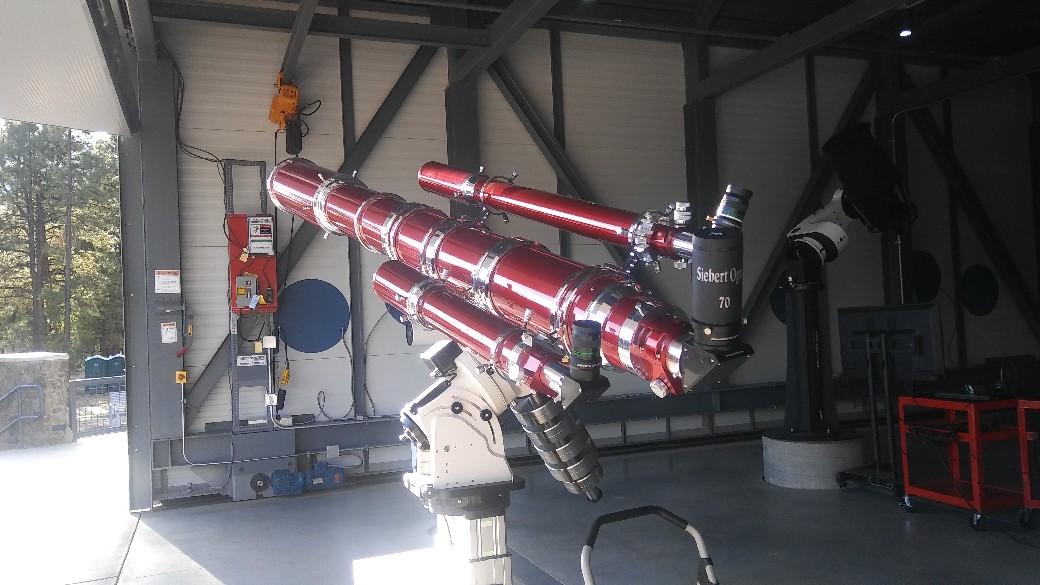 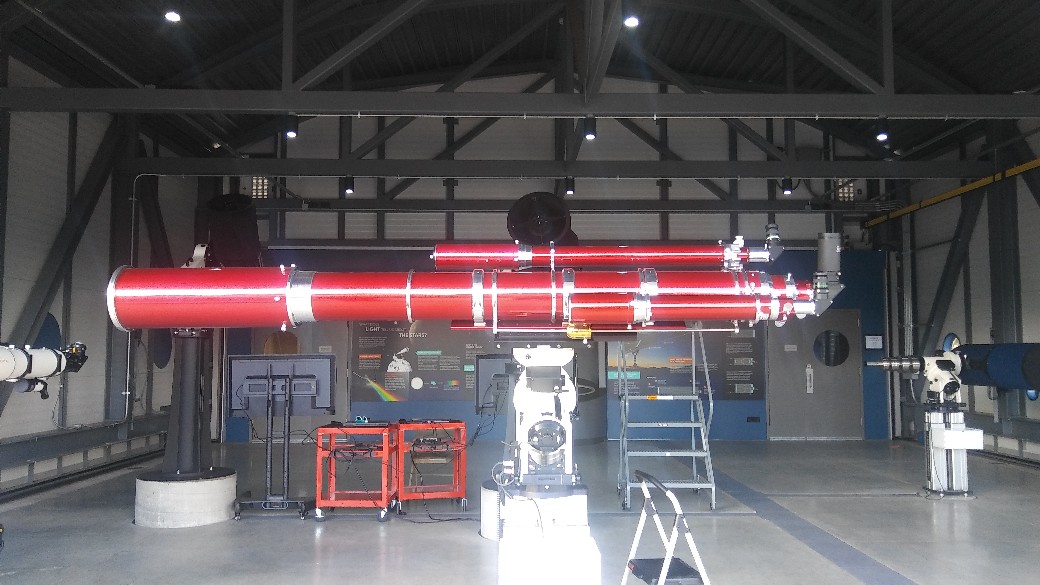
2.7" and 3"eyepieces. 4" and larger below.
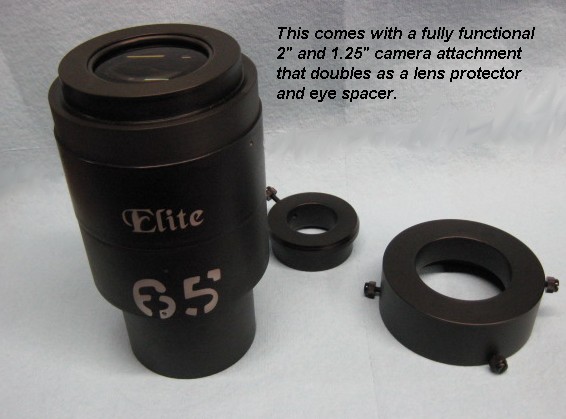
These 2.7" and 3"eyepieces are for Large and Backyard Observatory Telescopes alike. Camera adaptor now Optional. -------------------------------------------------
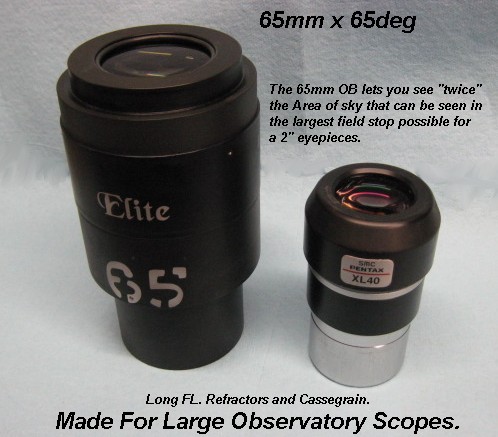
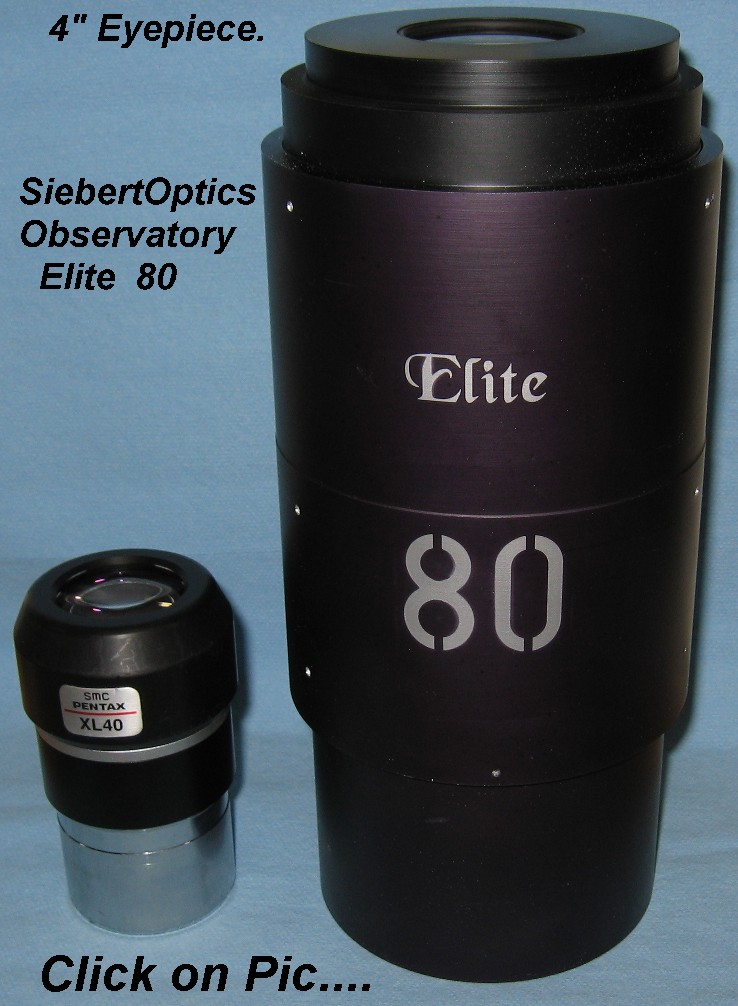
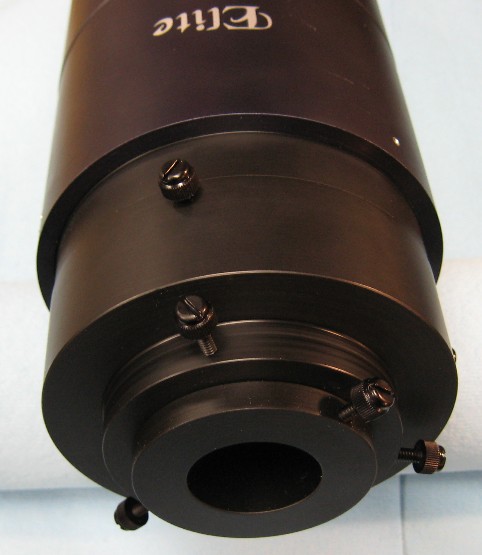
The above 80mm is used at the Mount Wilson Observatory in California. Here the 80mm Elite is compared to a 40mm Pentax XL. And below shows the optional mounted on camera adaptor.
The above 70mm 4.3" eyepiece is used in the 24 Foot Dia Magellan in Chile.. picture above.
This 90mm Elite was sent to Herold Observatory, Onalaska School District, WA as part of an Astro-Physics 4.3" focuser upgrade for their 24" Cassegrain. Here is the 4.3" Focuser on their site. Click Here. -----------------------------------------------
----------------------------------------------- These 4" 55mm and 70mm Elites below were sent to Seoul Korea for the Research Institute of Space & Astronomy.. Scopes to be used are a 600mm and 1000mm RC..
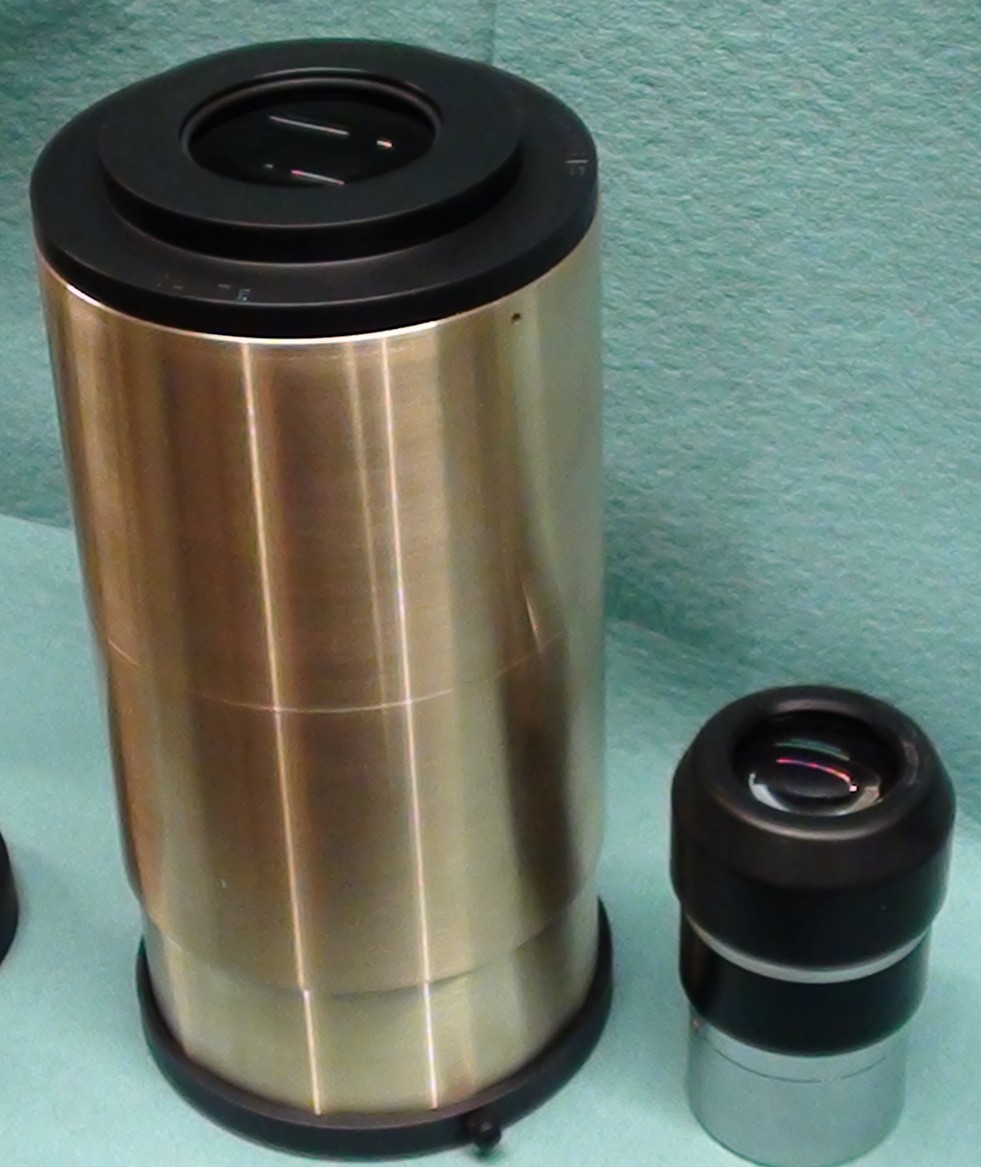
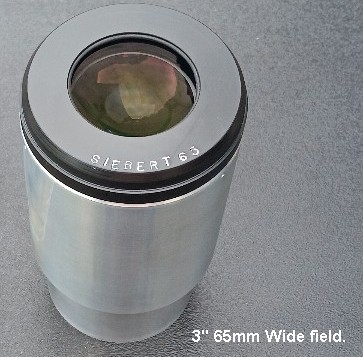
---------------------------------------------------------------------------------------- The Elite series eyepieces on your scopes. 4.3" / 4 "/ 3" /2.7" and 2.5" Eyepieces Some of these eyepieces can even be used in long F.L. backyard Observatory scopes. The eyepieces below will give you at least twice the amount of sky possible for your largest field stop 2" eyepieces. 10" - 60" and much larger Cassegrain scopes. 5" and larger long F.L. Refractors. EX: 6" f15 Refractor F.L. 2268mm ------------Here is the Elite difference.----------------------- (55mm 2" TV Plossl) and it's 50deg AFOV has a 1.10deg True FOV. (65mm 3" Elite) and it's 65deg AFOV has a 1.67deg True FOV. Now that sounds like only about 51% gain in true FOV but the amount of sky you are now covering more than 2.3x greater in terms or Square area. This will hold true for any scope you use it in. More facts below. -----Will you have problems with your Exit Pupil. Look Below.------- Exit Pupil with 3" 65mm at F15 is = 4.3mm --Great Exit Pupil with 3" 65mm at F12.5 is = 5.2mm --Great Exit Pupil with 3" 65mm at F10 is = 6.5mm --Not Bad Click on eyepiece pictures below to enlarge.
What scopes can use the 50mm-110mm? Many CCD chips will benefit from the 40mm-50mm eye lens and huge optics of these eyepieces. In fact it may be the lowest possible power photo you could take through your scope with eyepiece projection imaging.
|
|
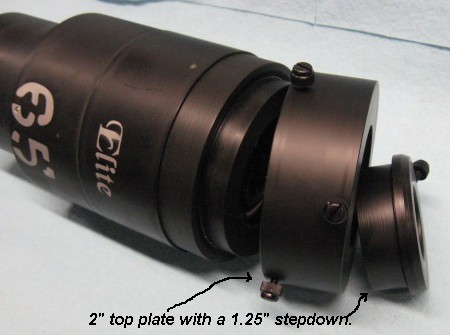
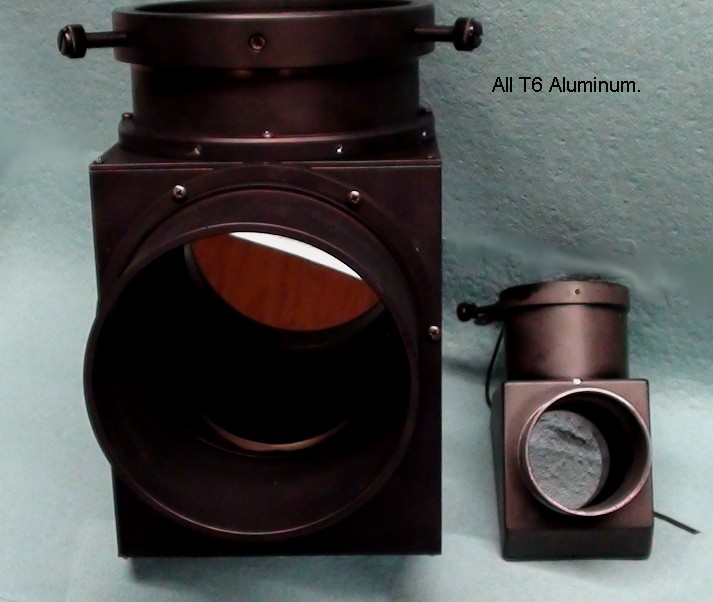
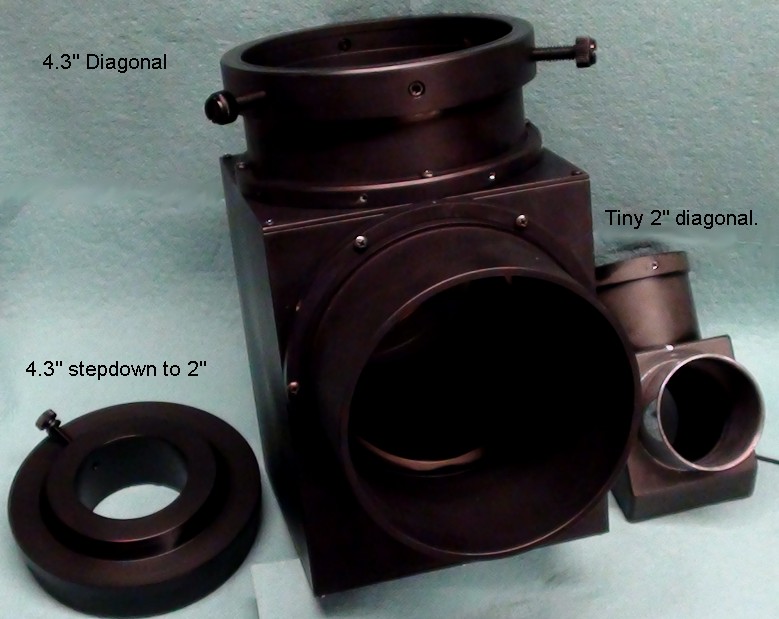
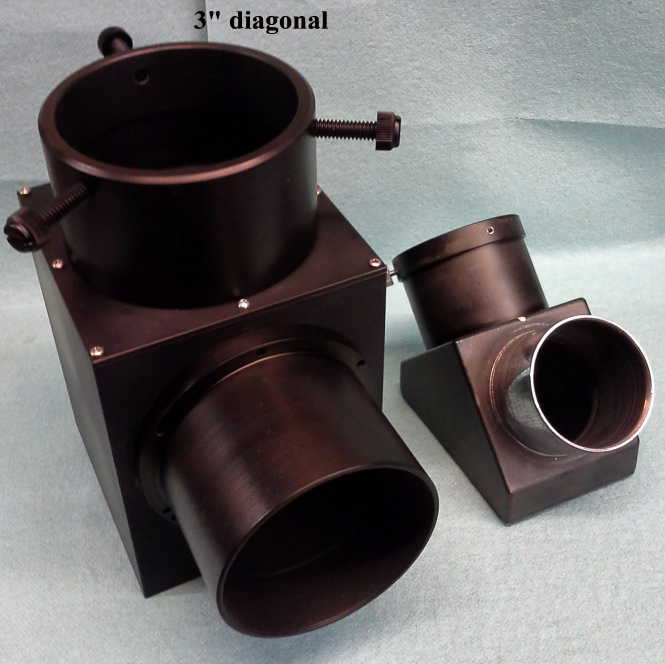
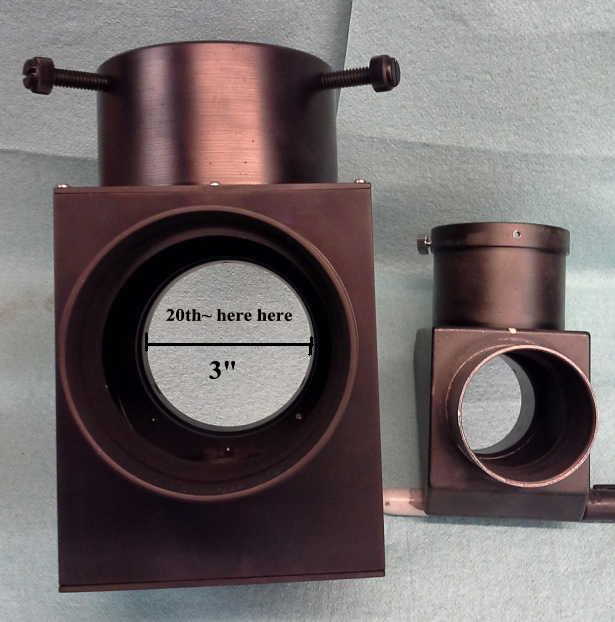
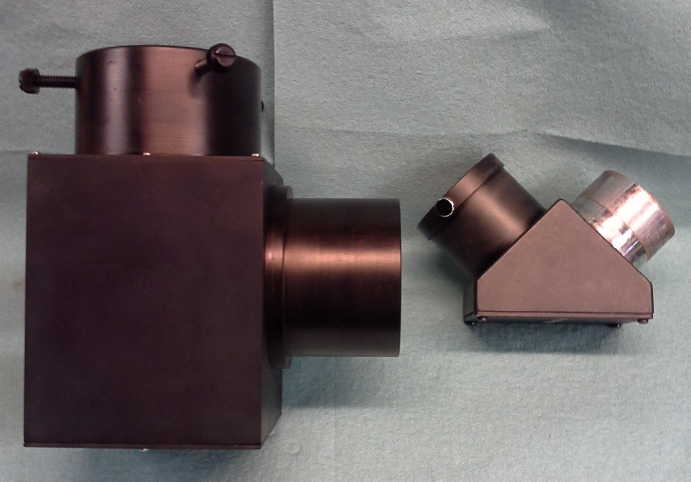
2.5" 2.7" 3" 3.7" 4" 4.3" Diagonals Diagonal 2.5" - 3.0" optical path 6" All diagonal come with a stepdown to use 2" eyepieces 2.5" Diagonals 2.7" Diagonals 3" Diagonals 3.7" Diagonals 4.0" Diagonals 4.3" Diagonals Other attachment modes possible just email. All 2.5" up to 2.7" - Price: 14th~ $1199 /20th~ $1299 /30th~ $1399 Brass fixtures add $499 All 3" size - Price: 14th~ $1399 /20th~ $1499 /30th~ $1599 Brass fixtures add $699 All sizes up 3.7" up to 4.3" 14th~ $1999 /20th~ $2199 / 30th~ $2399 Brass fixtures add $899
3" Flip Diagonal $1499
Any Adaptor you wish for the above diagonals. 2.7 to 2" $149 each 3" to 2" $149 each 3.7" to 2" $199 each 4.0" to 2" $199 each 4.3" to 2" $199 each Specify size and magnification. Barlow 2.5" $399 Barlow 2.7" $499 Barlow 3" $599 Barlow 4"+ $699 --------------- 1.5x 1.75x 2.0x 2.5x 3.0x
|
4.3" on top 3" and smaller below. Diagonal are 14th to 30th ~ and 97%-99% reflective. Precision Annealed Pyrex.
All T- 6 and Black Delrin construction, Fully baffled. 30 day return policy. "No restock fees"
3" Flip Diagonal
3" Flip diagonal for the largest sensor sizes. Includes a 3" to 2" adaptor. Contact me with questions.
Pictures soon
Pictures soon |
|
|
https://sites.google.com/a/onysd.wednet.edu/observatory/ http://www.astro-physics.com/products/accessories/focus_adap/focus_adap.htm#4foc3e
|
| See Products list for complete list of prices and configurations. | |












|
All listed products come with a 30-day money-back guarantee* unless otherwise stated. Specialty order items are not refundable (items made specifically for you). We
welcome |
We accept Visa, Mastercard, Discover American Express. U.S. Money Orders, and Personal Checks (held 10 working days for clearing). Online payments may be made securely through
|

